

GEA promotes more sustainable refinery processes with energy-efficient high-performance decanters
Refineries worldwide are facing the challenge of making their processes more energy-efficient, safer, and more environmentally friendly. In addition to crude oil processing itself, the focus is increasingly shifting to byproducts and waste streams – in particular, oily wastewater generated in various process stages. Modern separation technologies such as decanter centrifuges of the GEA petroMaster series make a decisive contribution to conserving resources, reducing emissions and environmental pollution, and returning valuable water to the production cycle.
One of these key measures is the professional treatment of oily wastewater streams – in the downstream, midstream, and upstream segments. The treated water can then be returned to various processes, reused, or disposed of in an environmentally responsible manner.
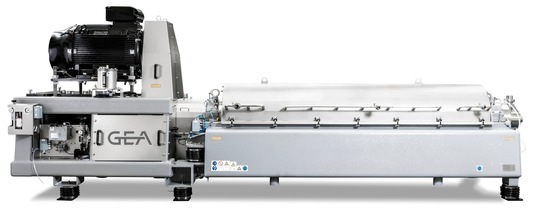
GEA supports this development with highly efficient decanter centrifuges that are specially designed for demanding refinery applications. The latest generation of the petroMaster CF series combines energy efficiency with maximum process stability and meets even the highest requirements for safety and performance. Especially, the new Varipond C version and an ATEX-compliant nitrogen blanketing system are used to ensure safe and reliable operation even under demanding conditions.
Varipond C ensures consistent separation results with a reduction in energy consumption of around 30% compared to conventional centripetal pumps.
Best practice in South America. A current project in South America shows how this technology is being used in practice. GEA has successfully delivered and commissioned two petroMaster CF 5000 units for a local refinery – for the first time with this combination of Varipond C system and ATEX-compliant nitrogen blanketing.
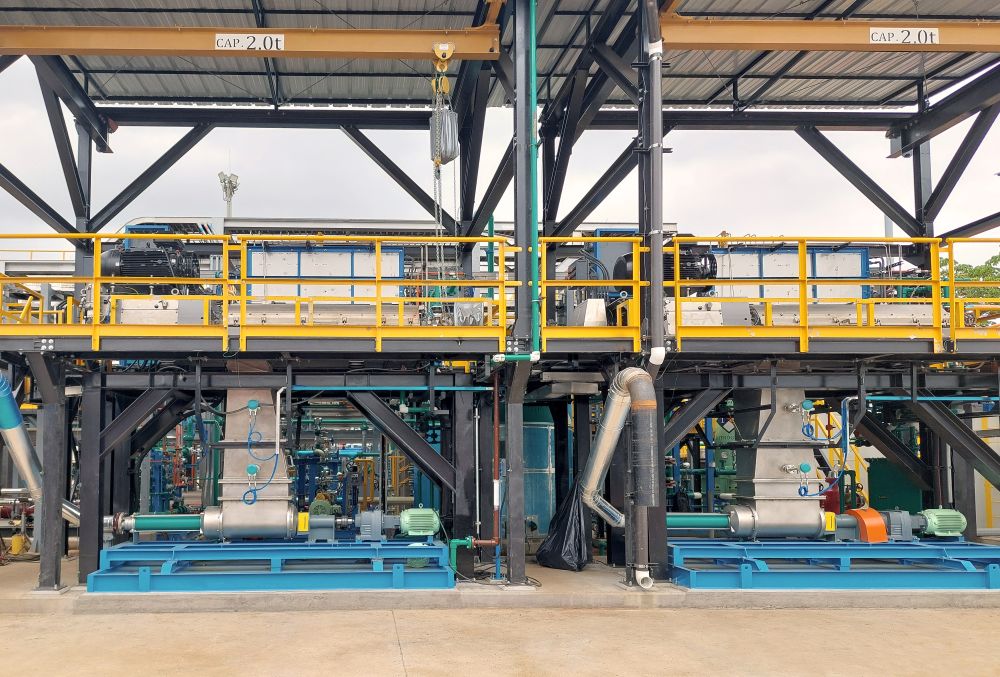
The project illustrates how global development expertise and local implementation go hand in hand: the core technology of the decanter centrifuges was developed and manufactured in the GEA competence centers in Germany. Additional components relevant to local requirements – such as adaptations to national safety and explosion protection guidelines and control integration – were implemented by the regional GEA team in South America and commissioned onsite. This combination of global development and local implementation ensured a tailor-made technical solution while reducing transport costs and the carbon footprint.
Connectivity and operational safety. The delivered systems are IoT-ready and can be securely integrated into digital infrastructures. This enables real-time condition monitoring and remote support, contributing to increased machine availability.
With projects such as this and other recently won orders, GEA is strengthening its presence in the South American oil and gas industry and expanding its portfolio of separation solutions for sustainable refinery operations worldwide.

Comments