


MOL expands the Szarvas Biogas plant with a new biomethane unit
MOL is expanding the Szarvas Biogas Plant with a biomethane unit. As a result of the development, the plant is able to produce biomethane from biogas of such purity that it can be fed into the national natural gas network. The facility is expected to be completed by the end of the year and will produce more than 7 million cubic meters of biomethane annually, replacing natural gas in the gas network. Aligned with MOL Group’s long-term SHAPE TOMORROW 2030+ strategy, the investment will further expand the company’s green energy portfolio. This will be MOL Group’s first biomethane plant and, at the same time, the third such facility in Hungary.
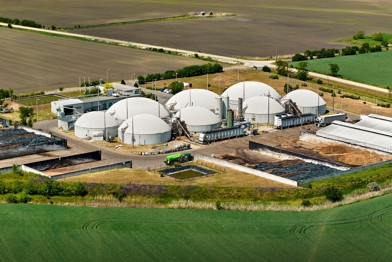
Biogas is a renewable energy source produced through the decomposition of organic materials (such as plant residues, manure, food waste), and primarily consists of methane, along with carbon dioxide and other compounds. The new unit will purify biogas by removing these latter components, producing high-purity, high-energy biomethane. Biomethane is not only suitable for replacing natural gas as a fossil energy carrier but also represents a product with much higher added value due to the associated green certificate (ISCC). The 7 million cubic meters of biomethane is equivalent to the annual gas consumption of approximately 8,500 average households.
Locally produced energy is not only an advantage, but also a strategic factor. In Central and Eastern Europe, biomethane is considered a promising solution because it can be built on a strong agricultural background, an existing gas network and real industrial demand.
MOL will actively apply the experience gained from operating the Szarvas plant both when evaluating future acquisition opportunities and when planning new greenfield investments.
“Through the new investment, we are providing an effective response to the energy trilemma: we are increasing energy security while producing an energy carrier in an affordable and sustainable way,” said Ádám Horváth, New and Sustainable Businesses Vice President of MOL Group. In order to unlock the potential of biomethane at a national level, an effective support system, clear and supportive regulation, and cooperation between the agricultural and energy sectors will be necessary as well.”
MOL Group acquired the Szarvas biogas plant in 2023. Currently, the biogas is utilized in gas engines: they produce nearly 24 GWh of green electricity annually and also provide combined heat. The waste processing facility uses organic waste to produce electricity and heat through cogeneration, with a peak electric power capacity of approximately 4 megawatts. The plant processes more than 40,000 tons of waste each year from meat production in the region, and another 53,000 tons of residual waste (such as slurry and manure) from neighboring livestock and meat processing farms. In addition, around 18,000 tons of agricultural substrate is used as feedstock for the plant, which produces nearly 12 million cubic meters of biogas.
Its agricultural partners and raw material suppliers play a key role in ensuring a stable and efficient supply of raw materials. MOL therefore intends to further strengthen the strong and reliable cooperation with the agricultural sector in the future.


Comments