


Consortium to conduct pilot project, testing if pongamia as a potential biofuel feedstock
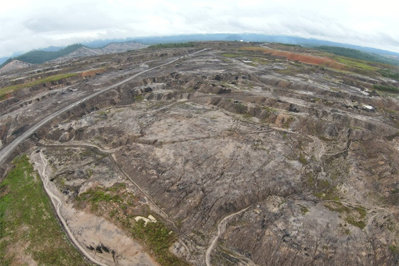
Mitsui O.S.K. Lines, Ltd., PT Hasnur Group Indonesia, Hanwa Co., Ltd., NH Foods Ltd., Four Pride Management Pte. Ltd., and SPIL Ventures (their respective presidents and headquarters are listed below) today announced the formation of a consortium to launch a pilot cultivation project for Pongamia, a plant known for its oil-bearing seeds, in Tapin Regency, South Kalimantan Province, Indonesia. The consortium will use approximately 10 hectares at the site of a former coal mine to conduct technical verification over a five-year period from 2026 to 2031, including the cultivation of Pongamia, the collection of growth data, and the assessment of its potential both as a biofuel feedstock and as a source of carbon credits.
Consortium participants are as follows: Mitsui O.S.K. Lines, Ltd., PT Hasnur Group Indonesia, Hanwa Co., Ltd., NH Foods Ltd., Four Pride Management Pte. Ltd., and SPIL Ventures.
Pongamia is a leguminous tree native to India that grows wild in warm, humid climates across southern China, Okinawa, and Taiwan, as well as in tropical and subtropical regions including India, Southeast Asia, Australia, and the Western Pacific Islands. Okinawa Prefecture represents the northern limit of its natural distribution. The seeds contain approximately 30%-45% oil, and because this oil is non edible, it can be used in the production of biofuels without impacting food supplies. For cultivation, the consortium will draw on the expertise and technical guidance from Indonesia's National Research and Innovation Agency (BRIN: Badan Riset dan Inovasi Nasional) and national university in Japan regarding plant cultivation and seed production.
Drawing on the insights gained through the verification activities outlined below, the consortium will jointly explore the potential for future commercialization.
- Assessment of Pongamia's suitability for cultivation and collection of growth data
- Evaluation of its potential as a biofuel feedstock
- Verification of the supply chain for biofuel feedstock
- Verification of the reuse potential of former coal mining sites
- Assessment of the potential for generating carbon credits
- Identification of challenges for future commercialization


Comments