

bp agrees to sell 12-MMtpy Gelsenkirchen refinery to Klesch Group
- Transaction accelerates delivery of bp’s strategy to simplify its portfolio and focus the downstream on its leading integrated businesses.
- Increases bp’s structural cost reduction target by around $1 billion to $6.5 to $7.5 billion by 2027.
- Deal strengthens bp’s balance sheet and creates a more resilient refining portfolio.
bp reached an agreement to sell its Gelsenkirchen refinery and related businesses to Klesch Group, an independent European refiner. The transaction represents another significant milestone in bp’s acceleration of its strategy, including simplifying the portfolio, strengthening the balance sheet and focusing the downstream on its leading integrated businesses.
bp is now targeting $6.5 to $7.5 billion of structural cost reductions by 2027, reflecting the expected savings of around $1 billion of underlying operating expenditure associated with Gelsenkirchen. The 2027 cost reduction target now equates to around 30 percent of bp’s 2023 cost baseline. This marks the second time bp has increased its target, having outlined $4 to $5 billion of savings in February 2025, and increased this in February 2026 to $5.5 to $6.5 billion reflecting the outcome of the strategic review of Castrol.
The transaction strengthens bp’s balance sheet, is free cash flow accretive based on historical performance and contributes to lowering bp’s cash breakeven for its retained refining portfolio. In addition to the transfer of liabilities, transaction terms and associated proceeds are subject to customary closing adjustments, including for the value of inventory at time of completion.
Carol Howle, interim CEO at bp, said: “With this transaction, we are strengthening our balance sheet, increasing our structural cost reduction target, and increasing the resilience of our focused refining portfolio. We will continue to take decisive action to reduce portfolio complexity – with a continued focus on growing cash flow and returns and delivering value for our shareholders.”
Patrick Wendeler, head of country for Germany at bp, added: “We have a long history of operating successful assets and brands in Germany, and we are deeply grateful for the refinery’s decades of contribution to our business. We are confident that Klesch Group’s experience in refining makes them the right owner for Gelsenkirchen’s next chapter.”
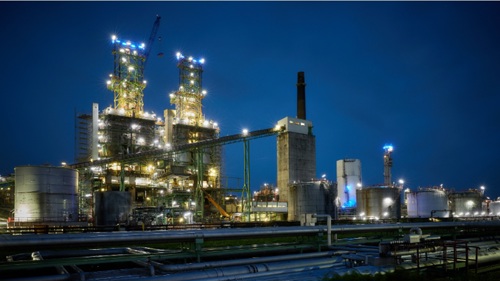
The Gelsenkirchen refinery primarily manufactures fuels for vehicles and aircraft, processing roughly 12 million tons of crude oil per year. The refinery also supplies essential feedstocks to the petrochemical industry in Germany and across Europe.
The deal includes Gelsenkirchen refinery and Bottrop tank farm; DHC Solvent Chemie GmbH (a subsidiary); interests in logistics joint ventures; and marketing businesses related to petrochemicals and unbranded B2B fuels produced at the Gelsenkirchen refinery. To maintain bp’s regional supply requirements, bp has agreed offtake arrangements covering ground fuels, aviation fuel and coke.
The experienced workforce, as well as those supporting logistics and sales infrastructure, are expected to join the new owner’s workforce upon completion of the deal. Today, the integrated refinery complex employs around 1,800 people.
Subject to conditions including regulatory and governmental approvals, the transaction is expected to close in the second half of 2026.
About the intended sale of Gelsenkirchen refinery operated by Ruhr Oel GmbH.
- bp Gelsenkirchen (ROG) operates two sites in Horst and Scholven, consisting of an integrated refining and petrochemical hub as well as the Bottrop tank farm.
- The refinery processes approximately 12 million tons of crude oil per year and has 265,000 barrels crude distillation capacity per day, producing petrol, diesel, jet fuel, heating oil and more than 50 other products, primarily for the chemical industry.
- Underlying operating expenditure associated with Gelsenkirchen in 2025 is around $1 billion.
- As published at bp’s 4Q25 results on 10 February 2026, reflecting the Castrol divestment, bp’s structural cost reduction target was increased by around $1.5 billion to $5.5 to 6.5 billion by 2027 against a 2023 baseline, and did not include any potential additional cost savings from the intended sale of Gelsenkirchen refinery.
- Intended sale removes liabilities from bp associated with the divestment of Gelsenkirchen including pension obligations, provisions, and other short-term liabilities.
- Starting from bp’s 1Q26 results, the assets and liabilities relating to the Gelsenkirchen refinery (excluding working capital) will be reclassified to Assets Held for Sale and Liabilities directly associated with assets held for sale. Associated reported cash capex and depreciation and amortisation will cease as of the reclassification.
- As published at bp’s 4Q25 results, in 2025 bp has announced or completed over $11 billion of its 2027 $20 billion divestment program. Progress updates are provided at upcoming quarterly results.
- bp is targeting to lower its refining cash breakeven by around $3 per barrel by 2027 versus 2024 on a like-for-like portfolio basis.
- The terms of this deal are confidential.

Comments