

Toshiba and Airbus drive the future of hydrogen-powered flight with superconducting motors
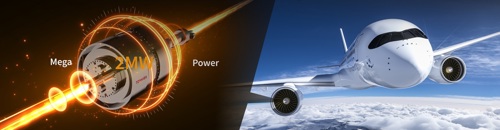
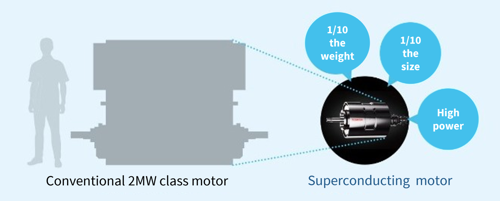
While the aviation sector rushes to achieve net-zero CO₂ emissions by 2050, innovations beyond the limits of sustainable aviation fuel remain essential. This is where Toshiba’s superconducting motor fits: a compact, lightweight, and high-output solution for electric propulsion systems. With less than one-tenth of the weight and size of conventional 2MW-class motors, such a drastic reduction in size and weight represents a game-changer in aviation, where every kilogram matters, and high output is required.
Recognizing the promise of the prototype motor, first presented in 2022, the world’s largest aircraft manufacturer, Airbus, began collaborative research in 2024 to further develop and scale this technology. The joint signing of the partnership agreement at Japan International Aerospace Expo 2024 underlining both companies’ determination to promote aerospace innovation. Building on over 50 years of experience in superconducting technology, this partnership brings together Toshiba’s and Airbus’s innovations in hydrogen propulsion and aircraft electrification programs and marks a pivotal step toward realizing zero-emission flight.
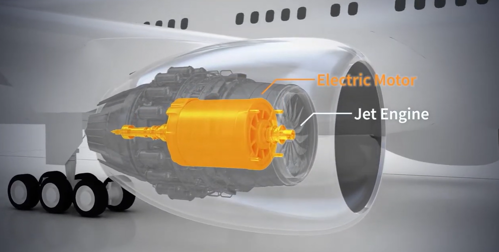
Hydrogen-powered aircraft are set to transform air travel by replacing fossil fuels with clean energy solutions. Hydrogen can power aircraft in two ways: burning it in turbines or converting it to electricity in fuel cells. The second way is much more efficient, as it allows electric propulsion with zero CO₂ emissions. Toshiba’s superconducting motor amplifies this advantage by operating at cryogenic temperatures and, therefore, no electrical resistance, maximizing energy efficiency. Liquefied hydrogen stored at -253°C environment serves as both fuel and coolant, creating a perfect synergy that improves performance while reducing weight and paving the way for sustainable aviation.
Beyond aviation, Toshiba envisions superconducting motor technology as a powerful engine for sustainable mobility in various applications. Its lightweight, high-output design and cryogenic efficiency make it ideal for large-scale applications where weight and energy performance are critical. Potential future uses include powering next-generation ships for clean maritime transport and propulsion for space travel.
Toshiba and Airbus have taken a revolutionary path toward carbon-neutral skies, reshaping aviation with superconducting motors and hydrogen-powered propulsion systems. This collaboration goes beyond engineering; it embodies a vision of mobility free from carbon emissions while breaking through new efficiency frontiers. By pairing superconductivity with hydrogen’s potential as a clean energy source, the partnership is shaping a future where aircraft fly farther, cleaner, and smarter.

Comments